By Amrit Singh Sohal

Introduction: Money Is Not Just Currency — It Is Neurochemistry
Money is not merely paper, numbers on a screen, or digital tokens in a wallet.
It is dopamine.
Every financial decision — investing, spending, saving, trading, earning — activates the brain’s reward circuitry. The same neurological pathways triggered by food, love, gambling, and even addictive drugs are activated by money.
Modern neuroscience confirms what ancient wisdom hinted at:
It is not money that controls us — it is our brain’s reaction to it.
To understand the positive and negative effects of money, we must first understand dopamine.
What Is Dopamine?
Dopamine is often misunderstood as the “pleasure chemical.”
It is not.
It is the anticipation chemical.
Research by neuroscientists such as Dr. Wolfram Schultz and Dr. Anna Lembke shows that dopamine spikes not when we receive rewards — but when we expect them.
This is crucial.
The brain releases dopamine when:
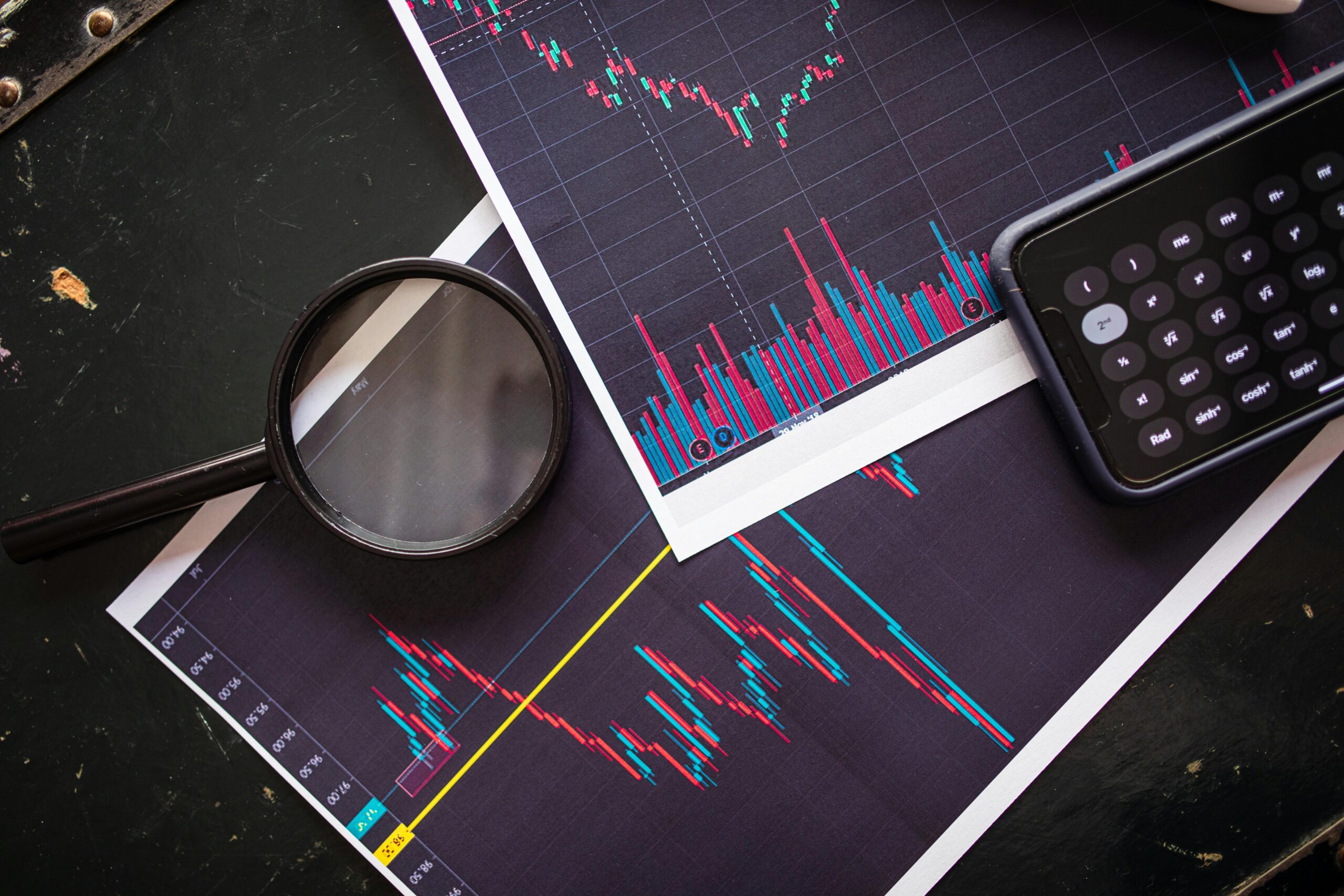
- You see your portfolio going up
- You anticipate a bonus
- A stock you bought starts pumping
- Your crypto position turns green
- You check your trading app repeatedly
Money becomes a powerful trigger because it symbolizes future possibility.
The Dopamine–Money Loop
Let us break down the loop:
- Anticipation of financial gain
- Dopamine release
- Emotional excitement
- Reward received (profit, salary, sale)
- Dopamine drops
- Craving for the next reward
This creates a continuous cycle.
In extreme cases, it becomes identical to gambling behaviour.
The brain does not differentiate strongly between:
- A slot machine win
- A crypto leverage trade
- A sudden stock pump
All activate the mesolimbic reward pathway.
The Negative Effects of Money (Dopamine Hijack)
1. Addiction to Earning
There is a difference between building wealth and being addicted to accumulation.
When dopamine controls financial behaviour:
- You cannot stop checking charts
- You feel restless without a trade
- Profit feels good — but only briefly
- Loss feels catastrophic
This is known as reward prediction error.
Unexpected wins create stronger dopamine spikes, making risky behaviour more addictive.
That is why leveraged trading, high-risk investing, and gambling feel intensely stimulating.
2. Loss Aversion and Emotional Damage
According to research by Daniel Kahneman and Amos Tversky, humans experience losses approximately twice as intensely as gains.
Dopamine drops sharply during financial losses.
This creates:
- Panic selling
- Revenge trading
- Over-leveraging to recover losses
- Chronic stress
Over time, chronic financial stress activates the amygdala — the brain’s fear center — leading to anxiety, irritability, and impulsive decisions.
Money then stops being a tool.
It becomes a psychological weapon.
3. Never-Enough Syndrome
Why do wealthy individuals often remain dissatisfied?
Because dopamine adapts.
This is called hedonic adaptation.
- First 1 lakh feels life-changing
- First 10 lakh feels powerful
- First crore feels extraordinary
- Then… normal
The brain recalibrates. The pleasure fades.
You are not chasing money.
You are chasing the dopamine spike you once felt.
This creates the illusion that happiness is always one financial milestone away.
4. Ethical Erosion
Studies show that excessive focus on money increases:
- Self-centered decision-making
- Reduced empathy
- Higher risk tolerance for unethical actions
When dopamine becomes dominant, moral reasoning can weaken.
The brain prioritizes reward over reflection.
This is how financial scandals occur. Not always from evil intent — but from neurological conditioning.
The Positive Effects of Money (Dopamine Aligned)
Money is not evil.
It is powerful.
When regulated properly, dopamine becomes an ally.
1. Motivation and Productivity
Healthy dopamine release encourages:
- Goal setting
- Discipline
- Skill development
- Entrepreneurship
Financial ambition, when balanced, pushes innovation.
Every major invention, company, and advancement required incentive.
Money, in its healthy form, is structured motivation.
2. Security and Reduced Cortisol
Money reduces uncertainty.
Financial stability lowers cortisol (stress hormone).
When basic needs are secured:
- Emotional regulation improves
- Long-term thinking increases
- Impulse decisions decrease
Wealth used wisely creates psychological freedom.
3. Autonomy and Creative Expression
True wealth is not consumption.
It is autonomy.
When money provides:
- Time flexibility
- Geographic freedom
- Choice of work
- Control over schedule
Dopamine shifts from addiction-based spikes to fulfillment-based satisfaction.
This activates prefrontal cortex thinking — clarity, long-term planning, wisdom.
4. Philanthropy and Meaning
Generosity activates reward circuits differently.
Giving produces sustained dopamine with oxytocin (bonding hormone).
Research shows people who donate or help others report:
- Higher life satisfaction
- Greater emotional stability
- Stronger sense of purpose
Money aligned with meaning creates sustainable neurological balance.
The Real Problem: Dopamine Without Awareness
Money itself is neutral.
The problem is unconscious dopamine chasing.
When awareness is absent:
- Markets become casinos
- Success becomes ego validation
- Wealth becomes identity
When awareness is present:
- Money becomes leverage
- Wealth becomes responsibility
- Success becomes contribution
How to Control Dopamine Around Money
1. Delay Gratification
Avoid instant trades and impulse spending.
Create time buffers before decisions.
2. Separate Identity from Net Worth
You are not your portfolio.
You are not your profit.
3. Automate Discipline
SIPs, structured investing, diversification reduce emotional volatility.
4. Limit Dopamine Triggers
Do not check financial apps repeatedly.
Reduce exposure to constant market noise.
5. Define “Enough”
Without a defined endpoint, the brain will never stop.
Conclusion: Money Is a Mirror
Money amplifies what is already inside you.
If you are anxious, it magnifies anxiety.
If you are disciplined, it multiplies discipline.
If you are generous, it expands generosity.
Dopamine is not your enemy.
Unregulated dopamine is.
The goal is not to eliminate ambition.
The goal is to transform the relationship with reward.
Because in the end, the real wealth is not the number in the account.
It is the stability of the nervous system.
And that is priceless.