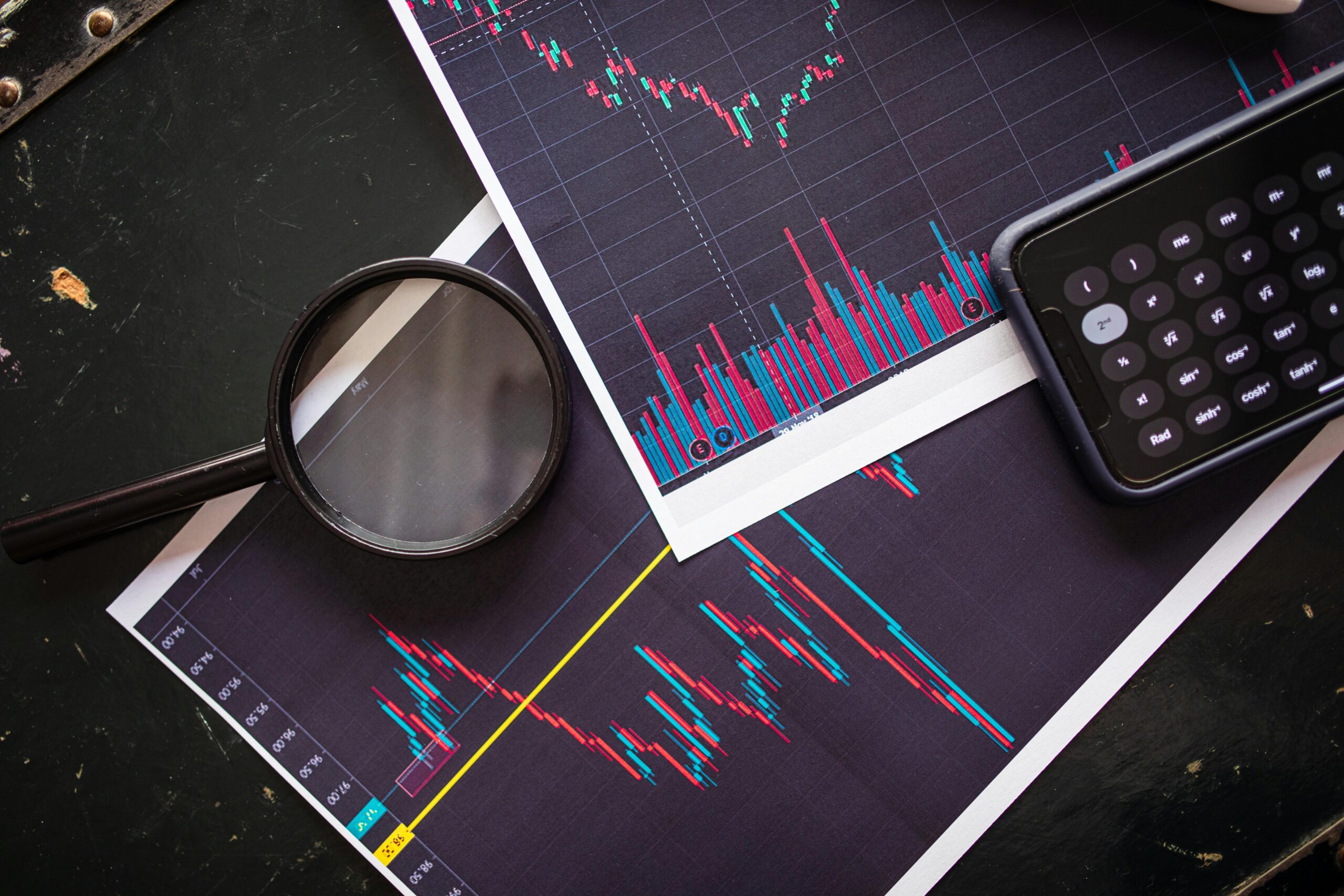

Introduction: Why Crypto Feels Different
Anyone who has traded cryptocurrency for more than a few weeks knows this feeling:
your heart races during a sudden pump, your mood crashes during a sharp dip, and your mind keeps checking charts even when you promised yourself you wouldn’t.
Crypto volatility doesn’t just move prices—it moves the human brain.
Unlike traditional markets, crypto trades 24/7, moves violently, and constantly delivers surprise. These features make it the perfect environment for activating the brain’s reward system, especially dopamine, the chemical responsible for motivation, anticipation, and desire.
To understand why crypto feels addictive, exhausting, euphoric, and painful—all at once—we must look inside the brain.
Understanding Dopamine: Not the “Pleasure Chemical” You Think
Dopamine is often misunderstood as a “feel-good” chemical. In reality, dopamine is not about pleasure itself—it is about anticipation of reward.
Dopamine spikes when:
- A reward is possible, not guaranteed
- The outcome is uncertain
- There is novelty or risk involved
This is why dopamine fires more intensely when:
- You check price charts
- You wait for a breakout
- You anticipate a big move after news
- You see green candles forming
Crypto markets provide all of this—constantly.
Volatility: The Perfect Dopamine Trigger
Crypto volatility creates what neuroscientists call variable reward schedules—the same mechanism used in casinos, slot machines, and gambling apps.
Sometimes you win big.
Sometimes you lose badly.
Most of the time, you don’t know what will happen next.
This unpredictability is exactly what keeps the brain engaged.
Each sudden price move acts like a psychological “pull of the lever.”
Your brain thinks: Maybe this time…
The sharper the volatility, the stronger the dopamine response.
Why Crypto Is More Addictive Than Traditional Markets
1. 24/7 Access = No Recovery Time
The brain evolved to handle cycles of effort and rest. Crypto never sleeps. This means:
- No mental closure
- No natural stopping point
- Constant alertness
Your brain remains in a semi-stressed, reward-seeking state.
2. Extreme Gains = Emotional Imprinting
A single massive win can imprint deeply in memory.
Even if you lose later, your brain remembers the high and keeps chasing it.
This is why traders often say:
“I just want that one trade again.”
3. Instant Feedback Loop
Every candle is feedback.
Every notification is stimulation.
Every chart refresh is another dopamine hit.
Few financial systems stimulate the brain so rapidly.
The Brain Under Volatility: Stress Meets Dopamine
Volatility doesn’t only increase dopamine—it also increases cortisol, the stress hormone.
This combination is dangerous.
Dopamine pushes you to act.
Cortisol reduces rational thinking.
Together, they:
- Narrow attention
- Increase impulsivity
- Reduce long-term planning
- Amplify fear and greed
This is why people:
- Overtrade
- Revenge trade
- Ignore risk management
- Break their own rules
In high volatility, the emotional brain hijacks the logical brain.
Why Traders Feel Empty After Big Wins
One of the most confusing experiences in crypto is this:
you make a big profit—but instead of satisfaction, you feel restless or empty.
This happens because dopamine drops sharply after a reward is achieved.
The brain quickly adapts and asks:
“What’s next?”
The pleasure fades faster than expected.
The desire returns stronger.
This is not a personal weakness—it’s neurobiology.
Losses Hurt More Than Gains Feel Good
The brain is wired with loss aversion. A loss hurts roughly twice as much as an equivalent gain feels good.
In volatile markets:
- Sudden drops feel catastrophic
- Red candles feel personal
- Small losses feel unbearable
This emotional pain often pushes traders into irrational decisions, such as holding losers too long or chasing quick recoveries.
Social Media: Dopamine on Steroids
Crypto Twitter, Telegram groups, and YouTube predictions intensify dopamine loops.
You are constantly exposed to:
- Someone making huge gains
- Someone predicting massive pumps
- Someone claiming certainty
Your brain compares, desires, and reacts—even when you try to stay rational.
This creates psychological FOMO, not because of logic, but because of emotional contagion.
The Illusion of Control
Charts, indicators, and strategies give the brain a sense of control in an uncertain environment.
But volatility often breaks patterns.
When markets behave unpredictably, the brain responds by:
- Seeking more indicators
- Watching charts more often
- Trading more frequently
Ironically, this reduces performance.
Long-Term Damage: When Dopamine Gets Dysregulated
Constant exposure to high-stimulation environments can lead to:
- Reduced patience
- Difficulty enjoying slow activities
- Emotional numbness
- Burnout
Life outside crypto can start to feel dull—not because life changed, but because the brain became accustomed to extreme stimulation.
Regaining Control: Trading Without Being Controlled
The goal is not to eliminate dopamine—it’s to work with it consciously.
Healthy approaches include:
- Structured trading times
- Predefined rules and limits
- Fewer trades, higher quality
- Acceptance of uncertainty
- Emotional awareness, not suppression
When traders slow down, dopamine stabilises—and decision-making improves.
Conclusion: Crypto Is a Psychological Arena
Crypto volatility is not just a financial phenomenon—it is a neurological experience.
Markets move prices.
Volatility moves emotions.
Dopamine moves behaviour.
Those who understand charts alone may survive.
Those who understand their own brain can thrive.
In crypto, the real battle is not against the market—it is against unchecked impulses, emotional loops, and the illusion that more action equals more control.
Master the mind, and volatility becomes a tool—not a trap.